


Are Scalamandre Pillows Suitable for Traditional Interiors?
Traditional interiors are often defined by balanced layouts, detailed patterns, layered fabrics, rich colours, and furniture influenced by established design periods. Decorative pillows play an important role in these spaces because they can introduce pattern, texture, and visual continuity without requiring major changes to furniture or architecture.
This raises a common décor question: Are Scalamandre Pillows Suitable for Traditional Interiors? In many cases, they can work particularly well because their designs often feature decorative motifs, expressive prints, and patterns that complement classic interior settings.
The key is choosing the right pillow design, colour palette, and placement. A pillow that complements the room's existing upholstery, curtains, rugs, and wall treatments can add character while maintaining the structured appearance associated with traditional décor.
Why Scalamandre Pillows Work in Traditional Interiors
Traditional interiors usually include a combination of decorative details rather than relying on plain surfaces alone. Patterned fabrics, carved furniture, framed artwork, drapery, and ornamental accessories frequently appear together.
Scalamandre pillows can suit this approach because decorative pillow designs can act as connecting elements between different parts of the room. A patterned pillow placed on a solid sofa, for example, can introduce visual detail while helping coordinate nearby curtains, rugs, or accent chairs.
Traditional decorating also allows for more layering than many minimalist interiors. This makes it possible to combine pillows with different scales of pattern while maintaining a cohesive appearance.
Choosing Patterns for a Traditional Setting
The pattern is one of the most important factors when introducing decorative pillows into a traditional room.
Floral and Botanical Patterns
Floral and botanical designs are commonly associated with traditional interiors. They work well with wooden furniture, neutral upholstery, detailed curtains, and classic wall colours.
A floral Scalamandre pillow can be used on a plain sofa or armchair to add detail without changing the entire seating arrangement. Larger botanical patterns may work better as statement pieces, while smaller floral motifs can be combined with striped or solid cushions.
The surrounding room should influence the choice. If the curtains and rug already contain large patterns, a more restrained pillow design may provide better balance.
Animal and Decorative Motifs
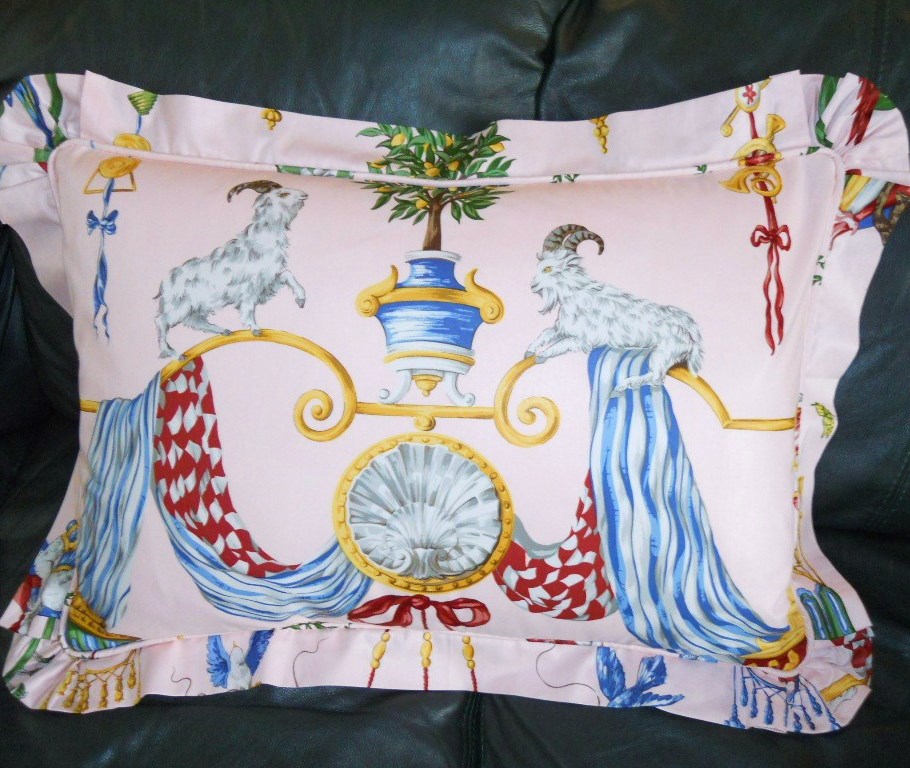
Traditional interiors are not limited to floral designs. Decorative animal motifs, scenic patterns, and illustrated designs can introduce a more distinctive visual element.
These pillows can work especially well in libraries, formal living rooms, sitting areas, and bedrooms where the décor already includes framed art, antique-style furniture, or decorative objects.
When using a highly detailed pillow, avoid placing too many competing patterns close together. One or two decorative cushions can provide enough visual interest.
Stripes and Repeating Patterns
Stripes and repeating geometric motifs are another practical choice for traditional spaces. They can help balance more elaborate furniture and fabrics while still maintaining a classic appearance.
Striped pillows are particularly useful when combining multiple cushion styles because they can act as a visual transition between floral, solid, and decorative patterns.
Selecting the Right Colours
Colour plays a major role in determining whether a pillow feels integrated into the room or visually disconnected.
Traditional interiors often use deeper or warmer shades, including burgundy, navy, forest green, cream, gold, brown, muted blue, and red. However, softer palettes can also work well depending on the style of the home.
When choosing Scalamandre pillows, identify two or three existing colours in the room. These may come from upholstery, curtains, rugs, wallpaper, or artwork. Selecting a pillow that repeats at least one of these colours can create a more coordinated look.
The pillow does not need to match every element exactly. Slight variation often prevents the room from feeling overly arranged.
How to Style Scalamandre Pillows on Traditional Furniture
Traditional furniture often has structured shapes, rolled arms, carved details, or upholstered surfaces. Decorative pillows can soften these features while adding another layer of pattern.
On Sofas
For a traditional sofa, consider using an odd number of cushions, such as three or five, depending on the size of the seating.
A practical arrangement may include two solid or subtly patterned pillows combined with one more decorative Scalamandre design. This creates a focal point without overwhelming the sofa.
For larger sofas, cushions can be layered from larger sizes at the back to smaller decorative pieces at the front.
On Accent Chairs
An accent chair often requires only one pillow. This provides an opportunity to choose a more detailed pattern because there are fewer nearby textiles competing for attention.
A single decorative pillow can also help connect an isolated chair visually with the rest of the room.
In Bedrooms
Scalamandre pillows can also work in traditional bedrooms, especially when paired with upholstered headboards, patterned bedding, or layered curtains.
They can be placed in front of larger sleeping pillows or used as a central decorative cushion. Coordinating the pillow pattern with colours already present in the bedspread or window treatments can create a more unified arrangement.
Mixing Scalamandre Pillows With Other Patterns
Traditional decorating often involves combining several patterns within the same room. The challenge is preventing the space from appearing visually crowded.
A useful approach is to vary pattern scale. For example, a large floral pillow can be combined with a narrow stripe and a small repeating motif.
Colour consistency also matters. Different patterns tend to work together more effectively when they share at least one common shade.
Solid cushions can provide visual breaks between patterned designs. This is particularly useful when the sofa, curtains, and rug already contain decorative elements.
Balancing Decorative Pillows With the Rest of the Room
Pillows should support the overall interior rather than compete with every other decorative feature.
In heavily decorated traditional rooms, a smaller number of pillows may be more effective. If the furniture and walls are relatively simple, more expressive pillow patterns can be introduced.
Consider the visual weight of other elements such as curtains, rugs, artwork, wallpaper, and upholstered chairs. The goal is to distribute pattern and colour evenly across the room rather than concentrating everything in one area.
Practical Considerations Before Choosing Pillows
Appearance is important, but practicality should also be considered.
Check the pillow dimensions before purchasing to ensure they suit the sofa or chair. Oversized cushions can overwhelm smaller furniture, while very small pillows may appear out of proportion on large seating.
Also consider fabric care and cleaning requirements, particularly in frequently used living rooms. Decorative pillows in formal sitting areas may require less maintenance than those used daily in family spaces.
Removable covers can make regular cleaning easier where applicable.
Conclusion
So, Are Scalamandre Pillows Suitable for Traditional Interiors? They can be an effective choice when selected with attention to pattern, colour, scale, and placement.
Floral, botanical, striped, and decorative motifs can complement the layered character of traditional rooms, while carefully coordinated colours help connect pillows with existing furniture and textiles.
The most successful arrangement is usually one that considers the room as a whole. By balancing decorative pillows with upholstery, curtains, rugs, and other furnishings, homeowners can introduce additional pattern and character while preserving the structured and comfortable appearance associated with traditional interior design.