


Fabric Selection: How to Choose the Ideal Textiles
Choosing the right fabric plays a significant role in the quality, comfort, and durability of any textile product. Whether you are selecting materials for clothing, upholstery, or home décor, understanding the basics of fabric selection can help you make better decisions. Fabric Selection: How to Choose the Ideal Textiles involves considering several factors such as fiber type, texture, durability, climate suitability, and maintenance requirements.
A thoughtful fabric choice ensures that the final product not only looks good but also performs well over time. By learning how different fabrics behave and where they are best used, you can avoid common mistakes and select textiles that match your needs.
Understanding Fabric Types
Before making a selection, it is important to understand the main categories of fabrics. Generally, textiles fall into two primary groups: natural fibers and synthetic fibers.
Natural Fabrics
Natural fabrics are derived from plants or animals. These materials are valued for their comfort, breathability, and softness.
Common natural fabrics include:
-
Cotton: Lightweight, breathable, and widely used for everyday clothing.
-
Linen: Made from flax fibers, known for its strength and cooling properties.
-
Silk: Smooth and luxurious, often used for formal garments.
-
Wool: Warm and durable, ideal for winter clothing and blankets.
These fabrics are comfortable and environmentally friendly, but they may require careful maintenance compared to synthetic materials.
Synthetic Fabrics
Synthetic fabrics are manufactured using chemical processes. They are often designed to improve durability, elasticity, and resistance to wrinkles.
Examples include:
-
Polyester: Durable, wrinkle-resistant, and widely used in clothing and upholstery.
-
Nylon: Strong and lightweight, commonly used in activewear and outdoor gear.
-
Acrylic: Often used as a wool substitute due to its warmth and softness.
Understanding these categories is an important step in Fabric Selection: How to Choose the Ideal Textiles, as each fabric type offers different advantages depending on the intended use.
Factors to Consider When Choosing Fabric
Selecting the ideal textile requires more than just choosing a fabric that looks appealing. Several practical factors should also be evaluated.
Purpose of the Fabric
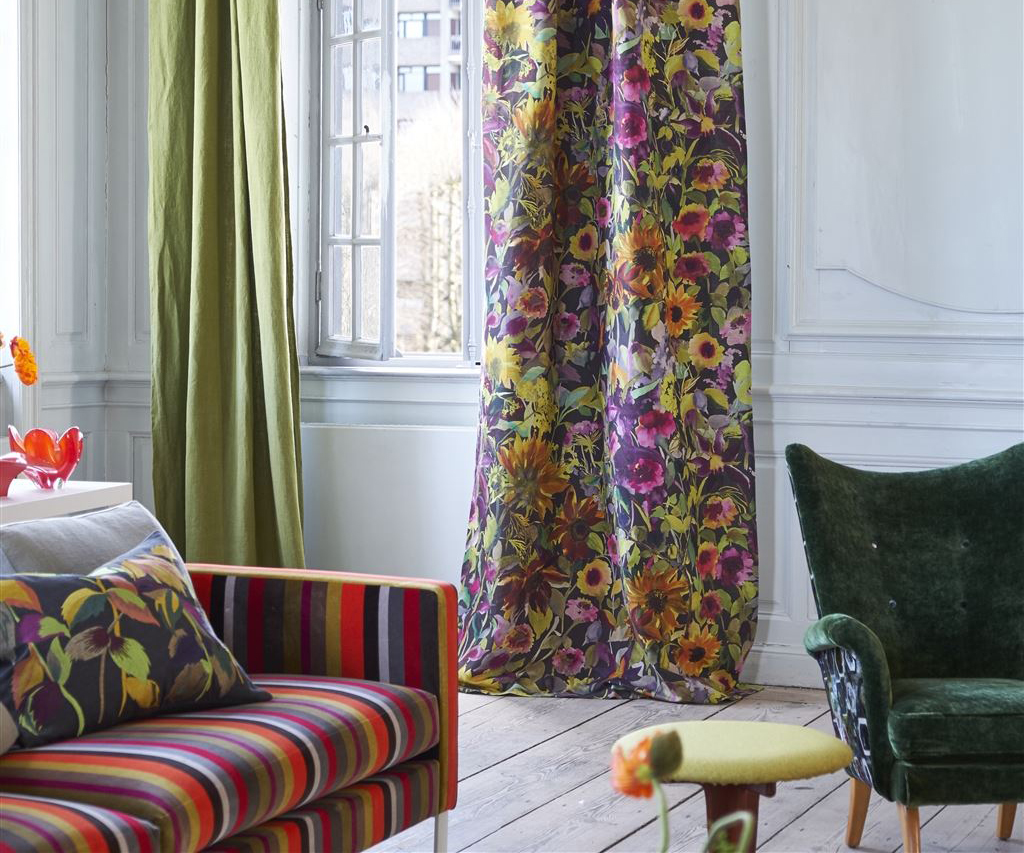
The intended use of the fabric should guide your decision. Clothing fabrics must prioritize comfort and breathability, while upholstery fabrics require durability and resistance to wear. For example, heavy fabrics such as canvas or denim are suitable for furniture, while soft fabrics like cotton are better for everyday garments.
Durability and Strength
Durability determines how well a fabric can withstand regular use. Fabrics with tightly woven fibers generally last longer and maintain their shape over time. For items that experience frequent use, such as sofas or work uniforms, selecting strong materials is essential.
Climate and Comfort
Climate plays an important role in textile selection. Breathable fabrics like cotton and linen are well suited for warm weather because they allow air circulation. In colder environments, thicker fabrics such as wool help retain heat and provide insulation.
Considering climate conditions is another key aspect of Fabric Selection: How to Choose the Ideal Textiles, especially when selecting clothing or bedding materials.
Texture and Appearance
The texture of a fabric influences both comfort and visual appeal. Smooth fabrics like silk create an elegant appearance, while textured materials like tweed provide a more structured look. The appearance of the fabric should align with the design and purpose of the product.
Maintenance Requirements
Different fabrics require different levels of care. Some materials can be machine washed and dried, while others require hand washing or dry cleaning. For daily-use items, fabrics that are easy to clean and maintain are usually more practical.
Understanding maintenance requirements helps prevent damage and ensures that the fabric remains in good condition for a long time.
Fabric Weight and Weave
Another important consideration in Fabric Selection: How to Choose the Ideal Textiles is fabric weight and weave. These characteristics influence how a fabric behaves when used in garments or home products.
Lightweight fabrics such as chiffon and voile are suitable for summer clothing because they allow airflow and movement. Medium-weight fabrics like cotton twill work well for shirts and dresses, while heavy fabrics such as denim or wool are ideal for outerwear and upholstery.
The weave pattern also affects strength and flexibility. Plain weave fabrics are simple and durable, while satin weaves create a smooth surface and soft drape. Twill weaves, recognized by their diagonal pattern, offer durability and resistance to wrinkles.
Sustainability in Fabric Selection
As awareness of environmental impact grows, many people are considering sustainability when choosing textiles. Natural fibers, recycled materials, and responsibly produced fabrics are increasingly preferred options.
Sustainable fabric selection involves choosing materials that require fewer chemicals during production and have a lower environmental footprint. Organic cotton, bamboo fabrics, and recycled polyester are examples of materials that support environmentally conscious textile choices.
Including sustainability considerations in Fabric Selection: How to Choose the Ideal Textiles helps reduce environmental impact while promoting responsible manufacturing practices.
Conclusion
Fabric selection is an important step in creating functional and visually appealing textile products. By understanding different fabric types, evaluating durability and comfort, and considering climate and maintenance requirements, individuals can make informed decisions.
Fabric Selection: How to Choose the Ideal Textiles is not simply about choosing attractive materials; it involves balancing practicality, comfort, and long-term performance. When the right fabric is selected for the right purpose, the final product becomes more durable, comfortable, and satisfying to use.
With careful planning and knowledge of textile characteristics, anyone can choose fabrics that meet both functional needs and aesthetic expectations.