


How Can Carole Fabric Transform a Living Space?
Fabric plays an important role in shaping how a room looks, feels, and functions. From curtains and cushions to upholstered chairs and decorative accents, the material selected for an interior can influence colour balance, texture, comfort, and the overall character of the space.
Carole fabric can be incorporated into different areas of the home to add visual interest while supporting a coordinated interior scheme. Depending on the pattern, colour, texture, and application, it can work as either a noticeable design element or a subtle complement to existing furniture.
Understanding How Can Carole Fabric Transform a Living Space starts with looking at how fabric affects individual elements within a room and how those elements work together.
Using Carole Fabric for Curtains and Window Treatments
Curtains often occupy a large visual area in a room, making fabric selection particularly important. Carole fabric used for curtains can help establish the colour direction and design style of a living room, bedroom, or dining area.
Lighter shades can make a room feel open and relaxed, while deeper colours may create a stronger visual frame around windows. Patterned fabrics can introduce detail to rooms with plain walls and simple furniture.
The amount of natural light entering the room should also be considered when choosing fabric for window treatments.
Consider the Existing Colour Palette
Curtains should generally relate to at least one other colour within the room. This could be a shade found in a rug, sofa, wall finish, artwork, or decorative accessory.
Using related tones creates visual continuity without requiring every element to match exactly. If Carole fabric contains several colours, one can be repeated in cushions or smaller accessories to connect different parts of the room.

Refresh Upholstered Furniture
Upholstery can change the appearance of existing furniture without replacing the entire piece. An armchair, dining chair, bench, or accent seat covered in Carole fabric can become a noticeable feature within the room.
This approach can be especially useful when the furniture structure is still in good condition but the existing covering no longer suits the interior.
Before choosing fabric for upholstery, consider how often the furniture will be used. Frequently used seating generally requires materials that can handle regular contact and routine cleaning.
Create an Accent Chair
An accent chair is one of the simplest ways to introduce a patterned or textured fabric.
Instead of covering every seat in the same material, Carole fabric can be used on one chair while surrounding furniture remains more neutral. This creates contrast while preventing the room from feeling overly coordinated.
The chair can then be connected to the wider interior through cushions, throws, rugs, or artwork.
Add Decorative Cushions
Cushions provide a flexible way to experiment with fabric because they can be moved, changed, or replaced more easily than larger furnishings.
Carole fabric can be used for cushion covers on sofas, armchairs, benches, and beds. Depending on the design, it can introduce colour, pattern, or texture without making major changes to the room.
Mixing cushions also gives homeowners an opportunity to combine different materials.
Balance Patterns With Plain Fabrics
When using patterned Carole fabric, pair it with plain or lightly textured cushions.
For example, a detailed cushion can sit beside two solid-colour cushions that pick up colours from its pattern. This helps maintain balance and keeps the decorative arrangement visually organised.
Using too many competing patterns can make a room appear busy, particularly in smaller spaces.
Introduce Texture to the Interior
Texture contributes to the visual depth of a room. Even when several furnishings use similar colours, differences in texture can make the interior feel more layered.
Depending on its construction and finish, Carole fabric can help create contrast against materials such as wood, leather, glass, metal, or painted surfaces.
A fabric-covered chair positioned beside a wooden table, for example, can soften the appearance of harder surfaces.
Use Texture to Define Different Areas
In open-plan spaces, fabric can also help distinguish individual areas.
Different cushions, upholstered seating, or window treatments can subtly separate a reading corner from the main seating area without adding physical dividers.
This technique allows the overall room to remain connected while giving each area a clearer identity.
Coordinate Carole Fabric With Rugs and Flooring
Flooring covers a significant portion of any room, so fabric choices should work with it rather than compete against it.
For wooden flooring, fabric with warm or earthy undertones may create a coordinated appearance. Cooler fabrics may work well with grey flooring, stone surfaces, or contemporary finishes.
Rugs provide another connection point between flooring and furniture.
If the rug already contains a strong pattern, a simpler Carole fabric design may create better balance. When the rug is plain, patterned fabric can introduce additional detail.
Use Fabric for Smaller Decorative Features
Carole fabric does not need to cover a large surface to influence a room.
It can also be used for smaller details such as lampshades, fabric panels, storage boxes, table runners, headboards, or decorative wall pieces.
These applications allow the same fabric to appear in different areas of the room without becoming dominant.
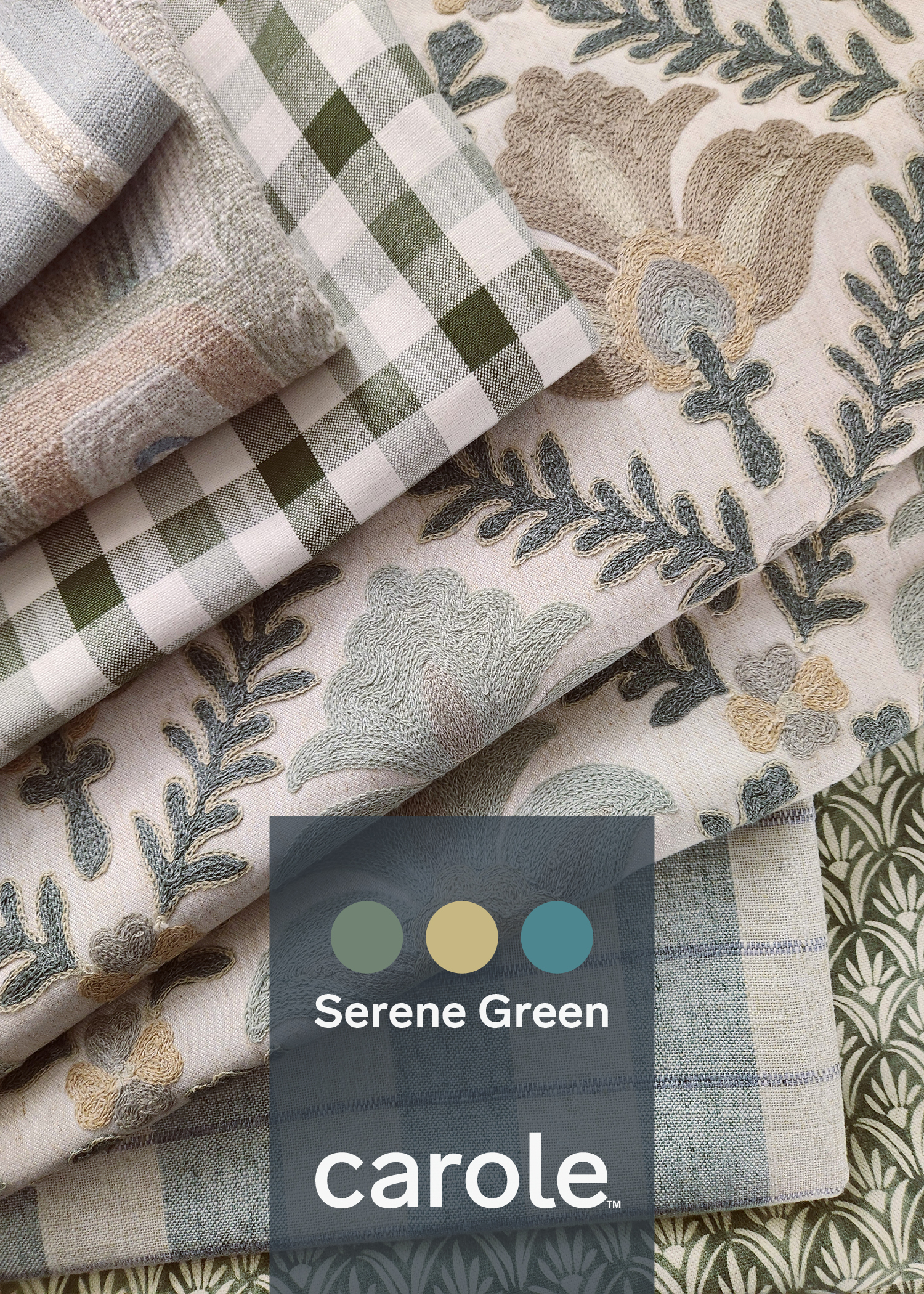
Repeat Fabric Carefully
Repeating the same fabric two or three times can help create visual consistency.
For example, Carole fabric might appear on an accent chair and again on two cushions. A similar colour could then be repeated in curtains or artwork rather than using the exact fabric everywhere.
This creates connection while allowing individual pieces to remain distinct.
Choose Carole Fabric According to Room Function
Every room has different practical requirements.
Living rooms often need fabrics suitable for regular use, while bedrooms may place greater emphasis on softness and visual comfort. Dining areas may benefit from materials that are easier to maintain because spills are more likely.
Consider how frequently the fabric will be touched, cleaned, exposed to sunlight, or used by children and pets before deciding where to place it.
Final Thoughts
So, How Can Carole Fabric Transform a Living Space Its impact comes from how thoughtfully it is used rather than how much of it appears in the room.
Carole fabric can update curtains, refresh upholstered furniture, add decorative cushions, introduce texture, and connect different colours within an interior. Smaller applications can also help create consistency without requiring extensive changes.
The key is to consider colour, pattern, texture, room size, lighting, furniture, and everyday use together. When these elements are balanced carefully, fabric can help create a living space that feels coordinated, practical, and visually comfortable.