


How Can Schumacher Fabric Enhance Curtains and Furniture?
Fabric plays an important role in determining how a room looks, feels, and functions. It affects colour balance, texture, comfort, light control, and the overall character of an interior. Choosing the right material for curtains and furniture can therefore make a significant difference to both appearance and long-term usability.
Schumacher fabric is commonly associated with decorative textiles designed for interior applications. Its range often includes detailed prints, woven patterns, embroidered materials, and textured fabrics suitable for window treatments, upholstered furniture, cushions, and other soft furnishings.
Homeowners and interior designers may choose these fabrics when they want to introduce visual interest while maintaining a coordinated and professional finish. The question, “How Can Schumacher Fabric Enhance Curtains and Furniture?”, can be answered by looking at its effect on design, texture, durability, colour, and room coordination.
Adding Character Through Pattern and Design
One of the main ways Schumacher fabric can enhance an interior is through its variety of patterns. Curtains and furniture occupy a large visual area, which means the selected fabric can influence the style of the entire room.
Floral patterns may support traditional, botanical, or country-inspired interiors. Geometric designs can suit modern and transitional spaces, while stripes may create a more structured and balanced appearance.
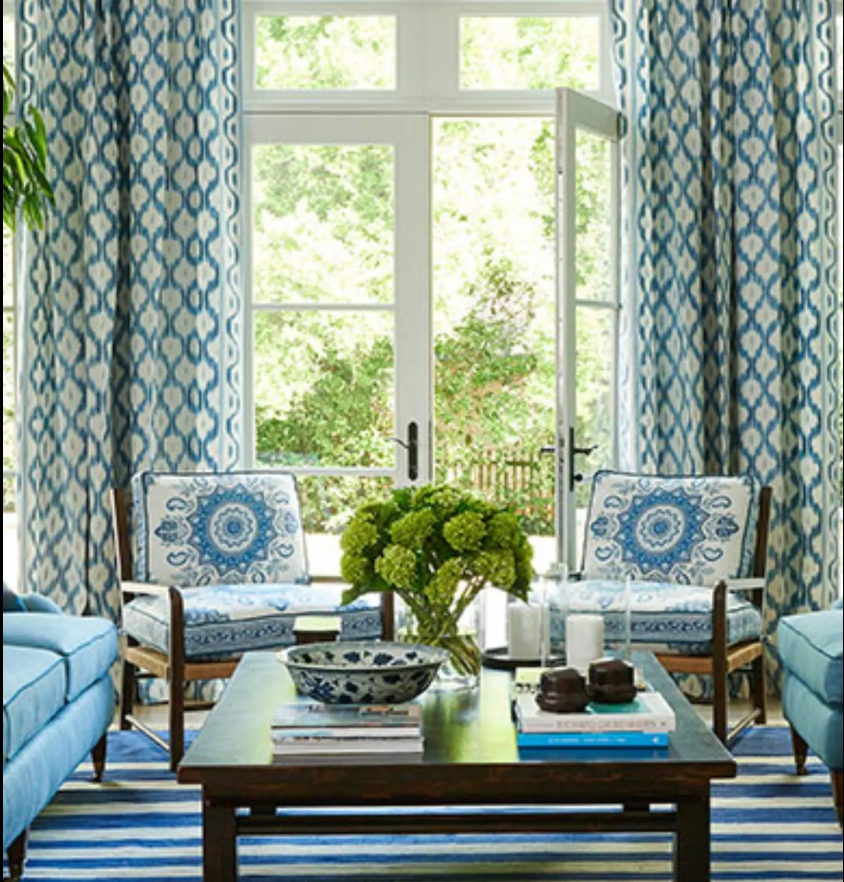
Decorative fabrics can also help establish a focal point. For example, patterned curtains can draw attention to tall windows, while an upholstered armchair can introduce contrast into a neutral room.
Creating a Defined Interior Style
Fabric selection can help communicate a specific design direction. A room with muted walls and simple flooring may benefit from detailed curtains or upholstered seating that adds depth without requiring major structural changes.
For a classic interior, damask, floral, or heritage-inspired patterns may be appropriate. Contemporary spaces may work better with simplified motifs, textured weaves, or controlled colour combinations.
The key is to select a design that supports the architecture and existing furniture rather than competing with it.
Improving Curtains with Colour and Texture
Curtains are not only decorative. They also contribute to privacy, light control, insulation, and visual proportion. The right Schumacher fabric can help curtains perform these functions while improving the overall design.
Heavier woven materials may create a formal appearance and provide fuller folds. Lighter fabrics can support a softer and more relaxed look. Textured materials can add dimension, particularly in rooms where the walls and flooring are plain.
Supporting Light and Privacy Requirements
Before selecting curtain fabric, it is important to consider how much natural light enters the room. Bedrooms and formal living rooms may require lined curtains made from more substantial materials. Dining rooms and informal spaces may suit lighter fabrics that allow filtered light.
Curtain lining can also protect decorative fabric from direct sunlight, improve drape, and provide additional privacy. The final result depends on combining the outer fabric with the correct lining and heading style.
Improving Room Proportions
Curtains can make ceilings appear higher or windows look wider. Floor-length curtains installed above the window frame can give a room a more spacious appearance.
Vertical stripes or upward-moving patterns may strengthen this effect. Wider motifs can make a large room feel more balanced, while smaller patterns may work well in compact spaces.
Enhancing Furniture Through Upholstery
Upholstery fabric affects the comfort, appearance, and durability of furniture. Schumacher fabric can be used on armchairs, sofas, dining chairs, ottomans, benches, and headboards, depending on the material’s construction and performance rating.
An upholstered item can function as a statement piece or blend into a coordinated design scheme. A patterned chair, for example, may add interest to a plain living room without requiring every item to match.
Choosing Fabric According to Furniture Use
Not every decorative fabric is suitable for every piece of furniture. Frequently used sofas and dining chairs need materials with suitable abrasion resistance and strong construction. Furniture used occasionally may allow for more delicate embroidery or detailed surface treatments.
Before upholstering furniture, it is advisable to review the fabric’s recommended use, cleaning instructions, repeat size, composition, and durability information.
This helps ensure that the selected material is appropriate for the furniture and the household’s daily requirements.
Coordinating Curtains and Furniture
Curtains and upholstered furniture do not need to use identical fabric. In many interiors, a more balanced result is achieved by coordinating colour, pattern scale, and texture.
For example, patterned curtains may be paired with a plain sofa in one of the colours found within the curtain design. Cushions or an occasional chair can then repeat selected tones to connect the different elements.
Mixing Patterns Carefully
Multiple patterns can work in the same room when they vary in scale. A large floral print may be combined with a narrow stripe or small geometric design. Using related colours can prevent the combination from appearing disconnected.
It is also helpful to include plain fabrics between patterned surfaces. Neutral upholstery, rugs, or walls can provide visual rest and allow decorative textiles to remain clear and controlled.
Adding Texture and Visual Depth
Texture can make an interior feel more complete, even when the colour palette is limited. Woven fabrics, embroidery, linen blends, velvet-like surfaces, and raised patterns reflect light differently and create visual depth.
Textured curtains can soften hard architectural lines, while upholstered furniture can make a room feel more comfortable and inviting. This is particularly useful in interiors with stone, glass, wood, or metal surfaces.
Considering Durability and Maintenance
Appearance is important, but fabric should also suit the practical needs of the space. Homes with children, pets, or frequent guests may require materials that are easier to maintain.
Curtain and upholstery fabrics should be selected according to their cleaning requirements, resistance to wear, colourfastness, and exposure to sunlight. Professional cleaning may be recommended for certain decorative materials.
Using arm covers, curtain lining, and regular vacuuming can also help protect fabric and extend its usable life.
Reviewing Samples Before Making a Decision
Fabric colours and textures can look different under natural and artificial lighting. For this reason, samples should be viewed in the intended room before placing an order.
A sample can be compared with wall paint, flooring, existing furniture, and lighting conditions. It also allows the buyer to examine the scale of the design and determine whether it suits the size of the curtain or furniture item.
Conclusion
Schumacher fabric can enhance curtains and furniture by introducing pattern, colour, texture, and a more coordinated design direction. It can help curtains frame windows effectively and allow upholstered furniture to become either a focal point or a supporting feature.
The best results depend on selecting fabric according to the room’s style, furniture use, lighting, maintenance needs, and existing colour scheme. Careful coordination and practical evaluation can create an interior that is visually balanced, comfortable, and suitable for long-term use.