


How Can You Decorate With Abstract Fabric?
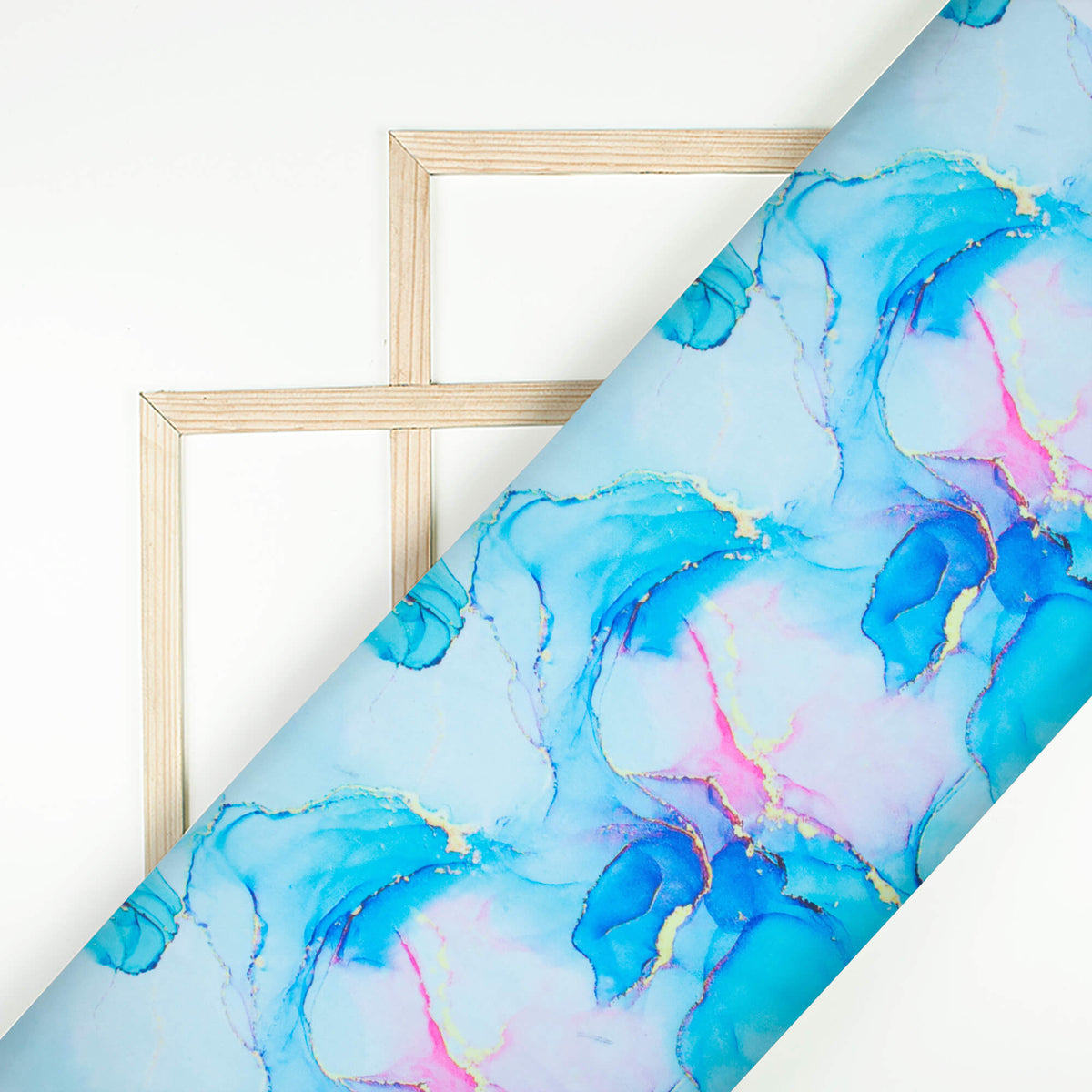
Abstract fabric can bring colour, movement, and visual interest into an interior without relying on traditional floral, striped, or geometric patterns. Its irregular shapes, expressive lines, and varied colour combinations make it suitable for different decorating styles, from contemporary rooms to more traditional spaces that need a contrasting element.
If you are wondering How Can You Decorate With Abstract Fabric?, the key is to decide how prominent you want the pattern to be. Abstract fabric can become the main feature of a room through curtains or upholstery, or it can be introduced more subtly through cushions and smaller decorative details. Careful coordination with existing colours, furniture, and materials can help create a balanced result.
Start With the Existing Room Design
Before selecting an abstract fabric, look closely at the room you plan to decorate. Consider the wall colour, flooring, furniture, lighting, and other fabrics already present.
An abstract design containing several colours may provide an easy starting point for a room's overall colour palette. You can select one or two shades from the fabric and repeat them elsewhere through accessories, rugs, artwork, or painted surfaces.
Consider the Mood of the Space
Different abstract patterns create different visual effects.
Soft shapes and muted colours may suit bedrooms, reading areas, or relaxed living spaces. Larger patterns and stronger colour contrasts can work in dining rooms, living rooms, or areas where you want the fabric to receive more attention.
Think about how the room is used before deciding how much pattern to introduce.
Use Abstract Fabric for Upholstery
Upholstery is one of the most noticeable ways to incorporate abstract fabric into a room.
An armchair covered in an abstract pattern can become a focal point without requiring major changes to the surrounding interior. In larger spaces, abstract fabric can also be used on sofas, dining chairs, benches, or ottomans.
If you choose a heavily patterned piece of furniture, keep nearby surfaces relatively simple. Neutral walls and plain curtains can provide visual breathing space around detailed upholstery.
Start With a Smaller Furniture Piece
If you are uncertain about using a large amount of pattern, begin with a smaller piece.
A footstool, occasional chair, or upholstered bench allows you to introduce abstract fabric without making it the dominant feature of the room. It is also easier to coordinate a smaller patterned piece with existing furniture.
Introduce Pattern Through Curtains
Curtains cover a significant amount of visual space, making them an effective place to use abstract fabric.
Floor-length curtains with a flowing abstract design can add movement to a room. When the curtains are closed, the pattern becomes a prominent decorative element. When they are open, it appears in narrower sections around the windows.
Consider the scale of the room when choosing a curtain pattern. Larger rooms can usually accommodate broader designs, while smaller spaces may benefit from less detailed patterns.
Add Abstract Fabric With Cushions
Cushions offer a simple way to experiment with abstract designs.
Instead of using the same fabric across every cushion, combine abstract patterns with plain fabrics. For example, one patterned cushion can be placed alongside two or three solid-coloured cushions that repeat shades found within the abstract design.
Mix Patterns With Care
Abstract fabric can be combined with other patterns, but visual balance is important.
If the abstract pattern is large and expressive, pair it with smaller, simpler patterns. Stripes, subtle geometric designs, or textured plain fabrics can work alongside abstract prints when their colours are coordinated.
Avoid introducing several patterns of the same scale, as they may compete for attention.
Create Fabric Wall Décor
Abstract fabric does not have to be limited to furniture and soft furnishings.
A piece of fabric can be stretched over a frame and displayed as wall décor. This approach allows you to introduce pattern and textile texture without covering an entire wall.
Framed fabric can work particularly well above a console table, sofa, bed, or sideboard. The frame should remain simple if the fabric itself contains a detailed design.
Use Abstract Fabric in the Bedroom
Bedrooms provide several opportunities to incorporate patterned fabrics.
An upholstered headboard can introduce abstract design directly behind the bed, while cushions, throws, or a fabric-covered bench can add smaller areas of pattern.
If the headboard features a strong abstract print, plain bedding can help maintain a restful appearance. Colours from the headboard can then be repeated through smaller details such as pillowcases or bedside accessories.
Coordinate Colours Across the Room
Colour coordination is important when decorating with abstract fabric because many abstract patterns contain several tones.
Choose a dominant colour from the fabric and use it as a reference point. A secondary colour can then appear in smaller decorative details.
You do not need to match colours exactly. Slight variations in shade can create a more natural appearance while maintaining a clear connection between different elements of the room.
Balance Colour With Neutral Surfaces
Neutral colours can help visually organise a room containing abstract patterns.
White, cream, beige, grey, and natural wood finishes can provide a quieter background for expressive fabric. This does not mean the entire room needs to be neutral. Instead, neutral surfaces can prevent several strong elements from competing with one another.
Consider Pattern Scale and Placement
The scale of an abstract pattern can significantly affect how it appears within a room.
Large-scale designs tend to attract more attention and often work well on curtains, headboards, or statement chairs. Smaller patterns can be easier to use on cushions, dining chairs, and compact accessories.
Always consider how much of the complete pattern will be visible once the fabric is cut and installed.
Final Thoughts
Understanding How Can You Decorate With Abstract Fabric? begins with deciding whether the fabric should serve as a focal point or a supporting design element. Upholstery and curtains can create a stronger visual presence, while cushions, framed fabric, and smaller furnishings offer a more restrained approach.
Pay attention to colour, pattern scale, furniture, lighting, and surrounding materials when making your choices. By giving each patterned element enough visual space and repeating selected colours throughout the room, abstract fabric can add character and variety while keeping the overall interior coordinated.