


How to Choose Scalamandre Fabric Patterns for Your Home
Selecting fabric is an important part of interior design because it influences the colour, texture, comfort, and overall atmosphere of a room. Scalamandré fabrics are known for detailed prints, traditional motifs, rich colours, and distinctive decorative patterns. Their collections include options suited to upholstery, curtains, cushions, wall coverings, and other interior applications.
Understanding How to Choose Scalamandré Fabric Patterns for Your Home requires more than selecting an attractive design. The pattern should complement the room’s proportions, existing furniture, lighting conditions, and intended use. A carefully chosen fabric can create a strong visual identity while keeping the space balanced and practical.
Start with the Purpose of the Fabric
Before comparing colours and patterns, determine where and how the fabric will be used. A material selected for decorative cushions may not need the same durability as fabric used on a frequently used sofa or dining chair.
For upholstery, check whether the fabric is suitable for regular contact, abrasion, and cleaning. Curtains require fabrics that hang well and respond appropriately to natural light. Decorative fabrics used on cushions, lampshades, or accent chairs can be more expressive because they cover smaller areas.
Match the Material to the Application
Consider the following practical factors:
-
Upholstery fabrics should be durable and easy to maintain.
-
Curtain fabrics should have an appropriate weight and drape.
-
Cushion fabrics can introduce stronger colours or detailed motifs.
-
Wall upholstery requires careful attention to scale and pattern alignment.
-
Fabrics in busy households should suit regular use and cleaning.
Selecting the application first helps narrow the available options and prevents choosing a design that is visually suitable but functionally inappropriate.
Consider the Interior Style of the Room
Scalamandré offers patterns that can suit traditional, transitional, maximalist, eclectic, and contemporary interiors. The best choice should support the existing architectural and decorative character of the room.
Traditional interiors often work well with damasks, botanical prints, animal motifs, detailed florals, and historical patterns. Transitional spaces may benefit from classic designs presented in restrained or updated colourways. In contemporary rooms, a bold Scalamandré pattern can be used as a focused accent rather than applied throughout the space.
Create Contrast Without Losing Balance
A patterned fabric does not need to match every item in the room. It should, however, relate to at least one existing element, such as the wall colour, rug, artwork, timber finish, or furniture upholstery.
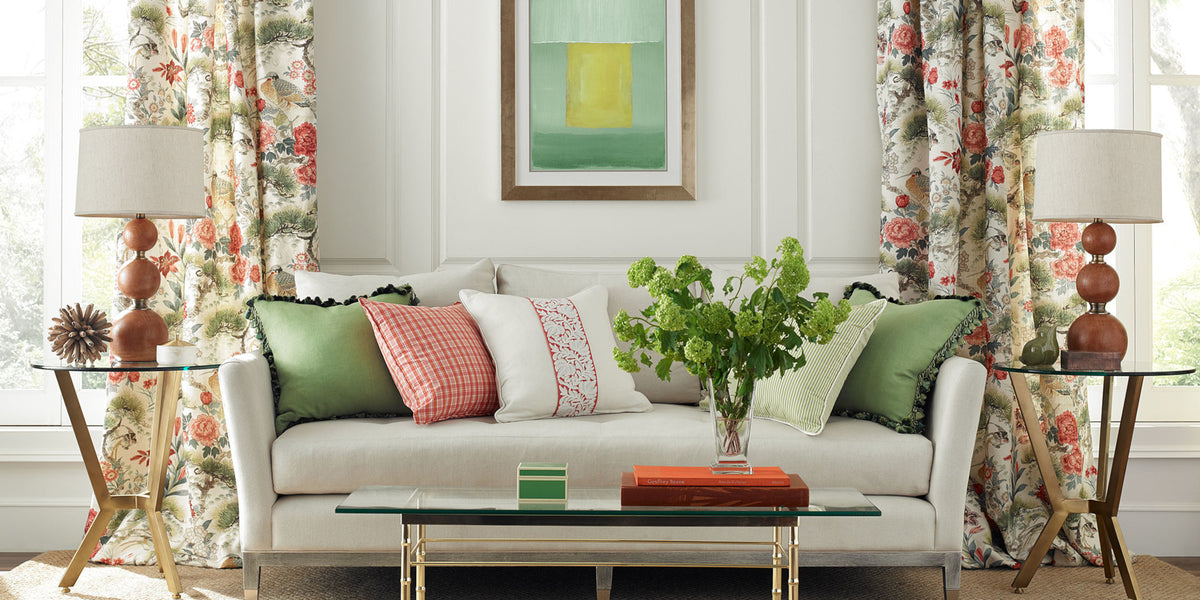
For example, a decorative fabric with red, cream, and green details can connect with neutral walls and dark wooden furniture. A bold animal motif may work well in a simple room where surrounding surfaces are kept understated.
The aim is to create visual contrast while maintaining a clear relationship between the fabric and the rest of the interior.
Choose the Right Pattern Scale
Pattern scale affects how a fabric appears once installed. Large-scale designs create a stronger visual statement and generally work well on curtains, headboards, screens, and larger furniture pieces. Small-scale patterns are often easier to use on dining chairs, cushions, benches, and compact furnishings.
The size of the room also matters. A large pattern can add character to a spacious room, while a highly detailed design may feel crowded in a smaller area when used extensively.
Review the Fabric at full size.
Do not judge a pattern from a small digital image alone. A fabric sample or full-width view provides a clearer understanding of the repeat, proportions, colours, and overall effect.
Place the sample against the intended furniture or wall and view it from different distances. This will show whether the pattern remains attractive when seen across the room and whether important design details will be lost when the fabric is cut.
Evaluate Colour in the Actual Space
Fabric colours may appear different depending on lighting, wall tones, and surrounding materials. Natural daylight can make colours look brighter, while warm artificial light may deepen reds, golds, and earth tones.
When selecting a colourway, compare it inside the room at different times of the day. Observe how it looks in morning light, evening light, and under artificial lighting.
Build a Controlled Colour Palette
A practical approach is to identify three colour roles:
-
A dominant colour already present in the room
-
A supporting colour that connects the fabric to nearby furnishings
-
An accent colour that adds interest
A patterned Scalamandré fabric can contain several colours, but the surrounding décor does not need to repeat all of them. Selecting one or two shades from the fabric for cushions, rugs, or accessories is usually enough to create cohesion.
Decide How Much Pattern the Room Needs
Pattern can be introduced in different amounts depending on the desired effect. Covering a large sofa or using floor-length curtains creates a dominant statement. Applying the same fabric to a single chair or a few cushions produces a more controlled accent.
In rooms that already contain patterned rugs, wallpaper, or artwork, use Scalamandré fabric selectively. In simpler interiors, a stronger application may be appropriate.
Combine Patterns Carefully
When mixing patterns, vary their scale. A large botanical print can work with a small geometric design or narrow stripe. Avoid combining several patterns of similar size and visual intensity, as this can make the room feel unsettled.
Use a consistent colour connection between the patterns to maintain order. A shared neutral shade, background colour, or accent tone can help separate designs feel intentional.
Review Maintenance and Longevity
A fabric should remain suitable for the household over time. Check cleaning instructions, fibre composition, light resistance, and recommended use before making a final decision.
Homes with children or pets may require more durable options and patterns that conceal minor marks. Rooms exposed to strong sunlight may need lining, protective treatments, or fabrics better suited to those conditions.
Conclusion
Choosing Scalamandré fabric involves balancing design preference with practical requirements. Begin with the intended application, then assess the room style, pattern scale, colour palette, lighting, durability, and maintenance needs.
Samples should always be reviewed in the actual room before placing an order. By considering how the fabric will function as well as how it will look, homeowners can select a pattern that enhances the interior without overwhelming the space.