


How to Create the Perfect Outdoor Space | Expert Styling Tips
How to Create the Perfect Outdoor Space | Expert Styling Tips begins with understanding how you want to use the area. An outdoor setting can be a place for meals, quiet reading, family gatherings or evening conversations. When the layout reflects those needs, the space feels more comfortable and easier to maintain.
You do not need a large garden or terrace to create a useful outdoor area. A balcony, courtyard or compact patio can feel considered with the right furniture scale, materials and lighting. Focus on function first, then layer in colour, textiles and planting that suit the conditions.
Plan the Layout Around Daily Use
Start by identifying the main activity. A dining area needs clear space for chairs to move, while a lounge area benefits from seating that faces each other or a central table. On a small balcony, avoid placing furniture around the entire perimeter; leave a clear route to the door and enough floor space for movement.
Use zoning to make larger spaces feel organised. A rug can define a seating group, while a planter, bench or outdoor screen can create a gentle boundary between dining and lounging. Keep the circulation path open so the arrangement does not feel crowded.
Simple Layout Ideas
-
Place a small table between two lounge chairs for a conversation corner.
-
Use a bench along a wall to save space in narrow patios.
-
Position dining furniture close to the kitchen or access door.
-
Add a storage bench for cushions, throws and small outdoor items.
-
Leave room around planters so they do not block walkways.
Choose Furniture That Suits the Conditions
Outdoor furniture should suit the climate as well as the style of the home. Materials such as powder-coated metal, treated timber, teak, aluminium and all-weather wicker can be suitable, but each needs different levels of care. Check whether the furniture will be fully exposed to sun and rain or protected by a roof or balcony cover.
Comfort matters too. Choose seating with enough depth and support for the way it will be used. Dining chairs need a more upright position, while lounge chairs can be deeper and softer. If space is limited, select folding, stackable or multi-purpose pieces that can be moved when needed.
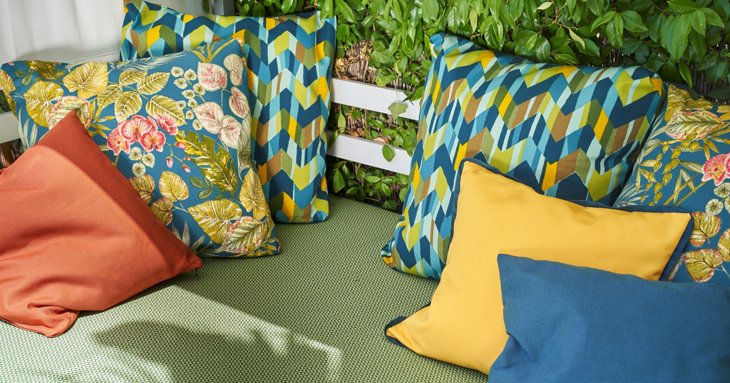
Add Comfort With Outdoor Textiles
Cushions, throws and outdoor rugs make a seating area feel more welcoming. Choose covers designed for outdoor use when they will be exposed to sunlight, dust or moisture. Mid-tone colours and textured weaves can be easier to maintain than very pale, smooth fabrics.
Use a small number of colours across cushions, pots and accessories. This creates a coordinated look without making the area feel overly styled. Keep spare cushion covers or fabric samples for future replacement and colour matching.
Create Shade and Privacy
Shade can make an outdoor area more usable during warm afternoons. Depending on the space, consider a fixed awning, umbrella, pergola, shade sail or simple outdoor curtain. The right option should allow airflow while reducing direct sun where people sit.
Privacy can be created with tall planters, a trellis, climbing plants or a lightweight screen. In a balcony setting, avoid adding bulky elements that reduce light or make the space feel enclosed. Choose screens and plants in proportion to the area.
Use Lighting for Evening Comfort
Outdoor lighting should make the space easier to use after dark without creating glare. Layering a few light sources is more effective than relying on one bright fixture. Wall lights, lanterns, string lights and small table lamps can each serve a different purpose.
Place task lighting near dining or cooking areas, then use softer lighting near lounge seating. Check that any fittings are suitable for outdoor use and that cables do not create a trip hazard. Warm lighting often makes outdoor materials and planting feel more inviting in the evening.
Lighting Checklist
-
Add brighter lighting where meals are served or prepared.
-
Use softer lamps or lanterns around seating.
-
Ensure pathways and steps are clearly visible.
-
Choose outdoor-rated fittings for exposed areas.
-
Test the lighting from indoors as well as outside.
Bring in Plants and Natural Texture
Plants help an outdoor space feel connected to its surroundings. Choose varieties that suit the available sunlight and the amount of care you can provide. Grouping pots in different heights can add depth, while one larger planter may look more balanced than many small containers.
Natural texture can come from timber, woven furniture, stone, terracotta or outdoor fabrics. Combine only a few finishes so the area feels cohesive. For example, warm timber furniture can be paired with neutral cushions, terracotta pots and leafy planting.
Keep Maintenance Realistic
The ideal outdoor space is one you can maintain. Choose washable covers, store cushions during extended rain and clean furniture according to the maker’s instructions. Sweep the area regularly and check drainage so water does not collect around furniture legs or planters.
Conclusion
How to Create the Perfect Outdoor Space | Expert Styling Tips is about balancing comfort, function and the realities of the setting. Plan the layout around how you live, choose materials suited to the weather and add softness through textiles, lighting and planting. With these principles, even a small outdoor area can become a practical and comfortable extension of your home.