


What Is Outdoor Fabric and Where Can You Use It?
Outdoor spaces often include furniture, cushions, curtains, and decorative elements that are regularly exposed to sunlight, moisture, dirt, and changing weather conditions. Standard indoor textiles may not be designed to handle these conditions for extended periods. This is where outdoor fabric serves a practical purpose.
If you are wondering What Is Outdoor Fabric and Where Can You Use It?, it is helpful to understand how these textiles differ from conventional fabrics, what materials are commonly used, and which applications they are suited to. Choosing the right fabric can make outdoor areas easier to maintain while supporting the overall appearance of the space.
What Is Outdoor Fabric?
Outdoor fabric is a textile designed or treated for use in exterior and semi-exterior environments. Depending on its construction, it may offer greater resistance to moisture, sunlight, fading, mildew, and everyday wear than many standard indoor fabrics.
Outdoor fabrics are available in different weights, textures, colours, and patterns. Some have a smooth surface suitable for cushions and curtains, while heavier options may be used for upholstery, shade structures, or covers.
The exact performance characteristics vary between products, so it is important to review the manufacturer's specifications before selecting a fabric for a particular application.
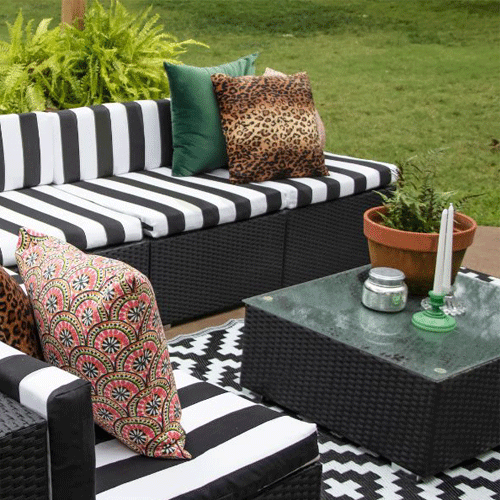
What Materials Are Used for Outdoor Fabric?
Outdoor fabrics can be made from several types of fibres. Common options include acrylic, polyester, olefin, and blends of synthetic materials.
Solution-dyed acrylic is frequently used for exterior upholstery because the colour is added during the fibre manufacturing process rather than only being applied to the surface. Polyester is another widely used option and may receive additional coatings or treatments depending on its intended use.
Olefin is also used for outdoor applications due to its relatively low moisture absorption. Each material has different characteristics, so fabric selection should be based on its intended location and level of exposure.
What Makes Outdoor Fabric Different From Indoor Fabric?
The primary difference lies in how the material is manufactured or finished.
Indoor textiles are generally intended for controlled environments where exposure to direct sunlight, rain, and humidity is limited. Outdoor fabrics, on the other hand, are often designed with these conditions in mind.
Many outdoor textiles provide some degree of UV resistance, which can help reduce fading caused by sunlight. Some fabrics are water-resistant, meaning they can resist light moisture but are not necessarily waterproof.
Water-Resistant Does Not Always Mean Waterproof
Understanding this distinction is important when choosing outdoor textiles.
Water-resistant fabric can usually handle occasional splashes or light rain, but prolonged exposure may allow moisture to pass through. Waterproof material is designed to prevent water from penetrating the surface under specified conditions.
For uncovered areas that receive regular rainfall, check whether the chosen material is specifically rated for that level of exposure.
Where Can You Use Outdoor Fabric?
One reason people ask What Is Outdoor Fabric and Where Can You Use It? is because these materials have applications beyond traditional patio seating.
They can be used throughout balconies, patios, terraces, gardens, poolside areas, covered porches, and other spaces where textiles may encounter more demanding conditions.
Patio Furniture Upholstery
Outdoor chairs, sofas, benches, and loungers are common applications for exterior fabrics.
The upholstery should be suitable for the furniture's location. A chair placed beneath a covered patio may require different performance characteristics from a lounger that remains exposed to direct sunlight.
Fabric durability should also be considered for seating that receives frequent use.
Outdoor Cushions and Pillows
Cushions and decorative pillows are an easy way to introduce colour and pattern into an outdoor area.
Outdoor fabric can be used for seat cushions, back cushions, floor cushions, and decorative pillows. Removable covers can make regular cleaning and seasonal storage easier.
When selecting cushion fabric, consider both comfort and how easily the surface can be maintained.
Outdoor Curtains
Curtains can provide privacy, shade, and visual definition around covered patios, pergolas, and balconies.
Outdoor curtain fabric should be selected according to its exposure to wind, sunlight, and moisture. Lighter fabrics may move more easily in the breeze, while heavier textiles can provide additional coverage.
Hardware should also be suitable for outdoor conditions.
Use Outdoor Fabric for Awnings and Shade
Certain outdoor fabrics are suitable for awnings, canopies, pergola covers, and other shade applications.
These uses generally require materials specifically designed for structural or shade purposes rather than standard upholstery fabric. The textile needs to be appropriate for tension, sunlight exposure, and environmental conditions.
Always check the intended application listed by the fabric manufacturer before using upholstery material for an awning or canopy.
Can Outdoor Fabric Be Used Indoors?
Outdoor fabric can also be practical inside the home.
Dining chairs, breakfast areas, playrooms, mudrooms, and family spaces may benefit from textiles designed to handle frequent use and easier cleaning. Homes with children or pets may also use certain outdoor fabrics in areas where spills and everyday wear are common.
However, comfort, texture, and appearance should still be considered when using exterior textiles indoors.
How Should You Maintain Outdoor Fabric?
Maintenance requirements depend on the material and manufacturer.
Regularly removing dust, leaves, and loose dirt can help prevent build-up. Small spills are generally easier to address when cleaned promptly.
Some removable covers may be washable, while others require spot cleaning. Avoid assuming that every outdoor textile can be machine washed. Always follow the specific care instructions provided for the fabric.
When furniture will not be used for an extended period, storing cushions in a dry, ventilated location can also help protect them.
Final Thoughts
Understanding What Is Outdoor Fabric and Where Can You Use It? can make it easier to select appropriate textiles for patios, balconies, gardens, covered porches, and other areas.
Outdoor fabrics are designed or treated to handle conditions that standard indoor textiles may not encounter regularly. They can be used for furniture upholstery, cushions, curtains, shade applications, and even selected indoor spaces.
Before choosing a fabric, consider its intended use, exposure to sunlight and moisture, cleaning requirements, and manufacturer specifications. Matching the material to the environment can help create an outdoor space that is practical, comfortable, and visually coordinated.