


What Makes Schumacher Fabric Suitable for Luxury Interiors?
Luxury interior design depends on more than expensive furniture or decorative accessories. The quality, texture, colour, and construction of the materials used throughout a room often determine whether the finished space feels refined and cohesive. Fabric plays a particularly important role because it influences comfort, visual depth, and the overall character of an interior.
Schumacher fabric is commonly associated with high-end residential and commercial design. Its broad selection of patterns, textures, and materials allows designers to use it across curtains, upholstered furniture, cushions, wall coverings, and decorative features. Understanding What Makes Schumacher Fabric Suitable for Luxury Interiors? requires looking closely at its design quality, material selection, craftsmanship, and versatility.
High-Quality Materials and Construction
A luxury fabric must offer more than visual appeal. It should also feel substantial, perform well in its intended application, and retain its appearance with appropriate care.
Schumacher collections include fabrics made from materials such as linen, cotton, silk, wool, velvet, and blended fibres. Each material provides a different combination of texture, weight, drape, and durability. For example, linen can bring a relaxed yet polished finish to curtains, while velvet can add richness to seating and accent furniture.
The construction of the fabric is equally important. Weaving methods, embroidery, printing techniques, and surface treatments can affect how the material looks and performs. Detailed construction helps patterns remain clear, textures feel intentional, and fabrics sit properly when used for upholstery or window treatments.
Texture Adds Depth to Interior Spaces
Texture is a central element of luxury interior design. A room containing only smooth, similar surfaces can appear flat, even when premium materials are used.
Textured fabrics create contrast and visual depth. A woven curtain can soften a room with polished stone flooring, while velvet upholstery can balance metal or glass furniture. Embroidered fabrics can introduce detail without requiring additional decorative objects.
Schumacher fabrics are available in finishes ranging from understated weaves to more detailed decorative designs. This allows designers to layer different surfaces while maintaining a consistent visual direction.
Distinctive Patterns and Colour Options
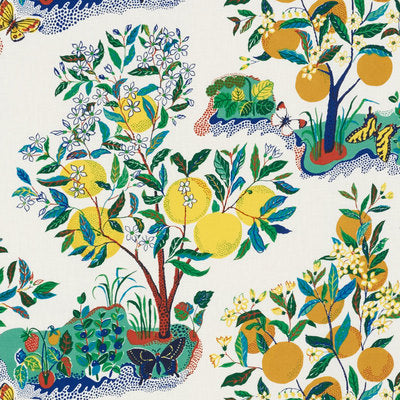
Luxury interiors often rely on carefully selected patterns to establish personality and create focal points. Schumacher is known for offering a wide variety of designs, including florals, geometrics, stripes, abstract prints, animal-inspired patterns, and traditional motifs.
These options make it possible to select fabrics that suit different interior styles. A botanical print may work well in a classic living room, while a structured geometric design may be more appropriate for a contemporary study or dining area.
Colour selection also contributes to the suitability of a fabric. Neutral shades can provide a calm foundation, while deep blues, greens, reds, and gold tones can create stronger visual emphasis. A well-developed colour palette helps designers coordinate the fabric with flooring, paint, furniture, artwork, and lighting.
Designs That Work Beyond Short-Term Trends
Luxury interiors are generally designed for long-term use. For this reason, fabric choices should not depend entirely on temporary trends.
Many Schumacher patterns draw from historical references, traditional decorative arts, and established design styles. At the same time, the collections include updated colour combinations and modern interpretations. This balance allows the fabrics to feel distinctive without quickly appearing outdated.
Selecting a pattern with lasting visual value can also make future room updates easier. Furniture, accessories, or wall colours may change, while the main fabric remains relevant.
Versatility Across Interior Applications
Another reason Schumacher fabric is suitable for luxury interiors is its range of possible applications. Different fabric weights and constructions can be selected according to the functional requirements of each area.
Common applications include:
-
Curtains and Roman blinds
-
Sofas, armchairs, and dining chairs
-
Decorative cushions and bolsters
-
Upholstered headboards
-
Fabric wall panels
-
Ottomans and benches
-
Lampshades and smaller decorative accents
A coordinated interior does not require using the same fabric everywhere. Designers can combine a patterned curtain fabric with a complementary plain upholstery material and a smaller-scale print for cushions. This creates variation while keeping the space connected.
Suitable for Statement and Supporting Features
Some fabrics are selected to become the main visual feature of a room. Others are used to support the wider design.
A bold Schumacher print may be used on a feature chair, headboard, or full-length curtains. A quieter woven fabric may be used on a sofa or window seat to provide balance. This flexibility helps designers control how much attention each surface receives.
Craftsmanship and Design Detail
Detailed craftsmanship is an important feature of luxury interiors. Fabric that includes precise printing, carefully aligned patterns, fine embroidery, or complex weaving can give a room a more considered finish.
Pattern scale is especially important. Large designs can create impact in spacious rooms, while smaller patterns may suit cushions, dining chairs, or compact areas. Designers must also consider pattern placement and repeat when upholstering furniture or making curtains.
Proper cutting and alignment ensure that motifs appear centred and consistent. When premium fabric is combined with skilled upholstery or curtain making, the final result looks more polished and intentional.
Practical Considerations Before Selection
Although appearance is important, fabric should always be selected according to where and how it will be used.
For seating in frequently used rooms, durability and maintenance requirements should be reviewed. Delicate silk or heavily embroidered fabric may be better suited to decorative areas, while stronger woven materials may perform better on everyday furniture.
Exposure to sunlight should also be considered, particularly for curtains and furniture positioned near windows. Some fabrics may require lining, protective treatments, or careful placement to reduce fading.
Professional cleaning may be recommended for certain materials. Reviewing the care instructions before purchase helps ensure that the fabric remains suitable for the household’s needs.
How to Use Schumacher Fabric in a Balanced Interior
The most effective luxury interiors avoid using too many competing patterns. A balanced approach is to choose one main fabric and build the rest of the room around it.
For example, a large floral fabric may be used for curtains, followed by plain upholstery in one of the colours found within the pattern. Cushions can then introduce a stripe or small geometric design. Repeating selected colours throughout the room creates continuity without making the space feel overly coordinated.
Scale should also vary. Combining one large pattern, one medium pattern, and a plain or textured fabric usually creates a more organised composition.
Conclusion
Schumacher fabric is suitable for luxury interiors because it combines material quality, detailed construction, distinctive patterns, and broad design versatility. Its fabrics can be used for both prominent decorative features and quieter supporting elements across traditional, transitional, and contemporary spaces.
Careful selection remains essential. The fabric should suit the room’s function, level of use, lighting conditions, and maintenance requirements. When paired with skilled installation and a balanced design scheme, Schumacher fabric can contribute lasting texture, character, and refinement to an interior.