


Which Charlotte Fabric Is Suitable for Curtains?
Choosing the right curtain fabric affects more than the appearance of a room. Fabric weight, texture, opacity, drape, and maintenance all influence how curtains look and function after installation. Charlotte fabrics are available in different finishes and constructions, which means some options may work better for curtains than others.
If you are asking, Which Charlotte Fabric Is Suitable for Curtains?, the answer depends on the room, the amount of light you want to control, the level of privacy required, and the overall interior style.
Understanding these factors can help you choose a Charlotte fabric that works well for everyday use while complementing the rest of the space.
What Makes Charlotte Fabric Suitable for Curtains?
Not every decorative fabric is designed to hang well as a curtain. Curtain fabric should generally have enough flexibility to form natural folds without appearing too stiff or heavy.
A suitable Charlotte fabric for curtains should offer a balanced combination of softness, structure, durability, and visual appeal.
Some of the most important qualities to consider include:
-
Fabric weight
-
Drape quality
-
Light filtration
-
Privacy level
-
Texture
-
Colour consistency
-
Ease of maintenance
-
Compatibility with curtain lining
A medium-weight Charlotte fabric is often suitable for living rooms, bedrooms, dining rooms, and home offices because it provides structure without making the curtains difficult to operate.
Which Charlotte Fabric Is Suitable for Curtains?
The most suitable Charlotte fabric depends largely on how you want the curtains to perform.
Medium-Weight Charlotte Fabric
Medium-weight fabrics are among the most practical options for standard curtains. They usually hang neatly and can create soft folds without looking bulky.
These fabrics may work well in:
-
Living rooms
-
Dining areas
-
Bedrooms
-
Guest rooms
-
Home offices
They can also be paired with a lining when additional privacy or light control is required.
Lightweight Charlotte Fabric
Lightweight Charlotte fabrics may be suitable for decorative curtains or spaces where natural light is preferred.
They can create a softer appearance and allow more daylight into the room. However, lightweight materials may not provide complete privacy, especially during the evening when indoor lights are switched on.
For this reason, lightweight curtains are often combined with blinds, shades, or a second curtain layer.
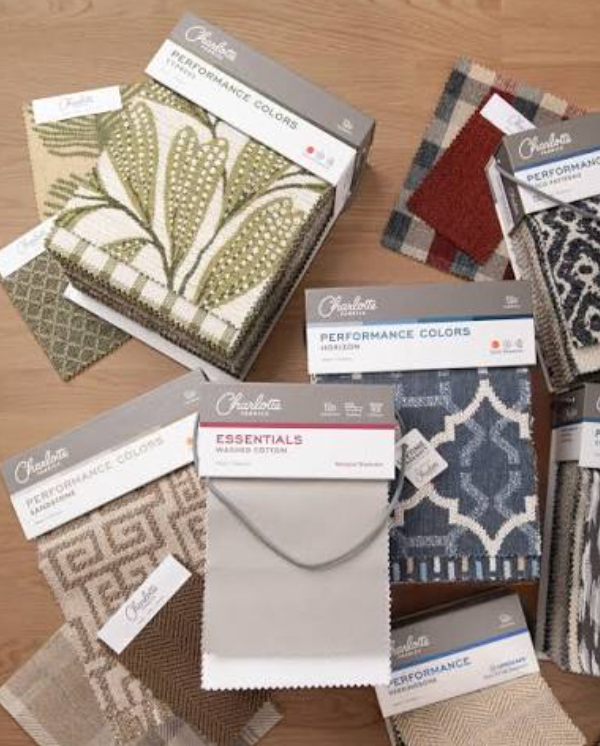
Textured Charlotte Fabric
Textured fabrics can add visual depth without requiring elaborate patterns. A subtle woven surface may work particularly well in neutral interiors where the curtain needs to complement rather than dominate the décor.
Textured Charlotte fabric can be considered for bedrooms, lounges, dining rooms, and formal seating areas.
Consider the Amount of Light in the Room
Light control should be one of the first considerations when selecting curtain fabric.
Rooms that receive strong sunlight may benefit from a denser Charlotte fabric or curtains with a protective lining. The lining can help reduce the amount of direct sunlight entering the room and may also protect the face fabric from prolonged exposure.
For rooms where natural daylight is important, a lighter fabric can help maintain brightness while providing some visual separation from the outside.
Bedrooms
Bedrooms generally require greater privacy and stronger light control. Medium or heavier Charlotte fabric combined with a lining can provide a more suitable solution.
Living Rooms
Living rooms usually allow more flexibility. Medium-weight woven fabric can provide an attractive balance between natural light, privacy, and decorative appeal.
Dining Rooms
For dining areas, fabric selection often depends more on styling and drape. Textured or patterned Charlotte fabric can create a more defined visual feature.
Check How the Fabric Drapes
Drape refers to the way a fabric falls when hanging vertically.
A curtain fabric should form smooth folds instead of standing rigidly or collapsing without shape. Before choosing a Charlotte fabric, examine how it behaves when gathered or folded.
Softer fabrics generally create relaxed folds, while structured materials provide a more tailored appearance.
The right option depends on your curtain style. Pinch pleat, pencil pleat, eyelet, wave, and rod-pocket curtains may each behave differently depending on the weight and flexibility of the fabric.
Choose the Right Colour and Pattern
Curtains occupy a large vertical area, so colour selection can strongly influence the room.
Neutral Charlotte fabrics can blend easily with changing furniture and accessories. Shades such as beige, cream, grey, taupe, and soft brown may work well in understated interiors.
Patterned fabrics can create more visual interest, but the pattern scale should be considered carefully.
Large patterns may suit wide windows and spacious rooms, while smaller designs may be easier to use in compact interiors.
It is also useful to view a fabric sample in the actual room before making a final decision because natural and artificial lighting can change how colours appear.
Should Charlotte Curtain Fabric Be Lined?
Adding a lining can improve both the appearance and performance of curtains.
A lining may help:
-
Increase privacy
-
Reduce direct sunlight
-
Improve the curtain's structure
-
Protect the main fabric
-
Create fuller folds
-
Improve light control
For bedrooms and rooms facing strong sunlight, lining is often worth considering.
Decorative curtains that are rarely closed may not always require lining, depending on the fabric thickness and intended purpose.
Consider Cleaning and Maintenance
Curtains are exposed to dust, sunlight, moisture, and everyday indoor pollutants.
Before selecting a Charlotte fabric, check its care instructions carefully. Some fabrics may support gentle cleaning, while others may require professional care.
Regular vacuuming with a soft upholstery attachment can help reduce surface dust. Curtains should also be kept away from damp surfaces because prolonged moisture exposure may affect both the fabric and lining.
Always follow the fabric manufacturer's cleaning recommendations rather than using general cleaning methods.
Final Thoughts
So, Which Charlotte Fabric Is Suitable for Curtains? Medium-weight Charlotte fabrics are generally a practical choice because they combine good drape, privacy, structure, and visual appeal. Lightweight fabrics can work well where natural light is important, while textured or lined options may be better for rooms requiring greater privacy or a more defined decorative look.
The final choice should be based on the room's lighting, curtain style, privacy requirements, colour scheme, maintenance needs, and the way the fabric hangs. Reviewing a fabric sample before ordering curtains can also help ensure that the selected Charlotte fabric works well with the rest of the interior.