


Which Stout Fabric Is Best for High-Use Furniture?
Furniture that is used every day needs upholstery that can handle repeated sitting, friction, spills, cleaning, and general wear. Sofas in family rooms, dining chairs, office seating, hotel furniture, and waiting-area chairs often experience much more use than decorative furniture. Choosing a strong fabric is therefore important for both appearance and long-term performance.
If you are wondering which stout fabric is best for high-use furniture, the answer depends on where the furniture will be placed, how often it will be used, and what kind of maintenance you are willing to perform. Materials such as microfibre, canvas, leather, tightly woven polyester blends, and heavy-duty synthetic fabrics are commonly considered for demanding environments.
What Does Stout Fabric Mean for Furniture?
Stout fabric generally refers to fabric that is thick, strong, tightly constructed, and capable of resisting regular wear. In furniture upholstery, strength is more important than thickness alone. A thick fabric with a loose weave may still wear out quickly, while a tightly woven material can remain durable for years.
Furniture fabrics designed for frequent use should resist abrasion, stretching, pilling, tearing, and fading. They should also be easy enough to maintain based on the environment in which they are used.
For example, a formal sitting room may prioritise texture and appearance, while a family sofa needs a fabric that can deal with children, pets, food, and frequent cleaning.
Which Stout Fabric Is Best for High-Use Furniture?
There is no single fabric that works perfectly in every situation. However, microfiber and high-quality polyester blends are often practical options for high-use furniture because they combine durability with easier maintenance.
Microfiber is tightly woven, which helps it resist everyday abrasion and minor spills. Polyester blends can also perform well because synthetic fibres generally offer good resistance to stretching, fading, and frequent use.
For furniture exposed to particularly demanding conditions, commercial-grade upholstery fabrics may be more suitable. These fabrics are usually designed to meet higher abrasion standards and withstand frequent cleaning.
The right choice should balance durability, comfort, appearance, cleaning requirements, and budget.
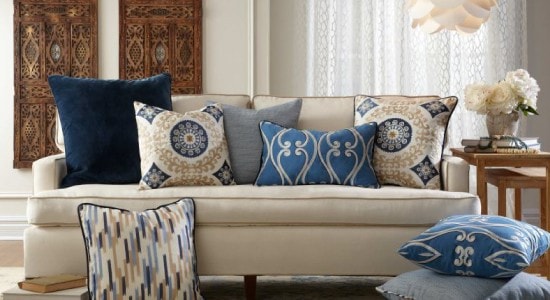
Best Fabric Options for Frequently Used Furniture
Microfiber
Microfiber is widely used on sofas, recliners, and chairs because its tightly woven structure creates a durable surface. It usually feels soft while still offering good resistance to wear.
The dense construction may also make it more difficult for dirt and liquid to penetrate immediately, although spills should still be cleaned quickly.
Microfiber can be a practical choice for households with children or pets because it generally requires less maintenance than many delicate natural fabrics.
Polyester and Polyester Blends
Polyester is another common material for heavily used furniture. It is often blended with cotton, rayon, nylon, or other fibres to improve texture and performance.
A polyester blend can offer better resistance to wrinkles, fading, and stretching compared with some natural fabrics. It is also available in many colours, textures, and patterns, making it suitable for different interior styles.
When selecting polyester upholstery, look at the fabric's construction and abrasion rating rather than assuming that every polyester fabric has the same durability.
Canvas
Canvas is a tightly woven fabric traditionally made from cotton, although synthetic and blended versions are also available. Its firm construction makes it suitable for casual furniture that receives regular use.
Canvas can work well for slipcovers, dining chairs, benches, and relaxed seating areas. One advantage is that some canvas covers can be removed and washed, depending on the furniture design.
However, untreated cotton canvas may absorb stains more easily than synthetic alternatives, so protective finishes can be useful in busy households.
Leather
Leather is frequently chosen for high-use seating because good-quality leather can withstand years of regular use when properly maintained. It is also relatively easy to wipe clean compared with many woven fabrics.
Over time, genuine leather may develop natural marks and variations that become part of its appearance. However, it can be vulnerable to scratches, sunlight, and improper cleaning products.
Leather may suit living rooms, offices, lounges, and other spaces where durability and easy surface cleaning are priorities.
Nylon Blends
Nylon is commonly blended with other fibres to improve upholstery strength. It offers strong resistance to abrasion and can help prevent fabrics from becoming crushed or worn in heavily used areas.
Pure nylon upholstery is less common, but blends containing nylon can be suitable for chairs, sofas, and commercial furniture where repeated friction is expected.
How to Measure Upholstery Fabric Durability
Fabric appearance alone does not indicate how long upholstery will last. One useful measurement is abrasion resistance.
Manufacturers may test upholstery using methods such as the Martindale test or Wyzenbeek test. These tests measure how many rubbing cycles a fabric can withstand before visible wear occurs.
For lightly used furniture, lower abrasion ratings may be acceptable. Furniture used every day should generally have a higher rating, particularly in offices, hospitality spaces, rental properties, or large households.
Always review the manufacturer's recommended use because testing standards and fabric classifications can vary.
Factors to Consider Before Choosing Stout Upholstery Fabric
Durability should be considered alongside everyday usability. Start by thinking about how frequently the furniture will be used and who will use it.
Homes with pets may need tightly woven fabrics that are less likely to catch claws. Families with young children may prioritise stain resistance and easier cleaning. Furniture placed near windows should have good fade resistance, especially if exposed to strong sunlight.
Texture also matters. A highly durable material may not be suitable if it feels uncomfortable for long periods of sitting.
Colour and pattern can influence maintenance as well. Medium tones, textured surfaces, and patterned upholstery may hide minor marks more effectively than very light or solid-coloured fabrics.
Natural vs Synthetic Fabrics for High-Use Furniture
Natural fabrics such as cotton, linen, and wool can provide attractive texture and comfort, but their durability varies significantly depending on weave and construction.
Synthetic fabrics such as polyester, nylon, and microfiber are often easier to maintain and may offer stronger resistance to abrasion and fading.
Blended fabrics can provide a useful middle ground. For example, combining cotton with polyester may retain some of cotton's softness while improving durability and reducing wrinkling.
Rather than selecting based only on fibre type, compare the fabric's weave, abrasion rating, cleaning code, and intended upholstery use.

How to Extend the Life of Furniture Fabric
Even the strongest upholstery benefits from regular care. Vacuum furniture periodically to remove dust and particles that can gradually wear fibres through friction.
Clean spills according to the manufacturer's instructions and avoid aggressive cleaners unless they are approved for the material.
If possible, rotate removable cushions so the same areas are not constantly exposed to pressure. Keeping furniture away from prolonged direct sunlight can also reduce fading and fibre deterioration.
Professional upholstery cleaning may be appropriate periodically, particularly for heavily used sofas and commercial seating.
Conclusion
Choosing the right upholstery material involves more than selecting the thickest fabric available. The best stout fabric for high-use furniture should provide strong abrasion resistance, practical maintenance, appropriate comfort, and a suitable appearance for the room.
Microfiber and polyester blends are practical options for many busy households, while canvas, leather, nylon blends, and commercial upholstery fabrics can also perform well depending on the application.
When deciding which stout fabric is best for high-use furniture, consider how the furniture will actually be used. Checking abrasion ratings, cleaning requirements, fibre construction, and environmental conditions can help you choose upholstery that remains functional and attractive under regular use.