


Why Choose Charlotte Fabric Over Traditional Fabrics?
Selecting the right fabric plays a significant role in comfort, durability, and long-term value. While traditional fabrics such as cotton, linen, and wool have been widely used for decades, newer fabric options are gaining attention for their practical advantages. One such option is Charlotte Fabric. Understanding its qualities helps buyers make informed decisions based on usage, care, and performance. This article explains Why Choose Charlotte fabric over traditional fabrics by examining its characteristics, benefits, and common applications.
Understanding Charlotte Fabric
Charlotte Fabric is a modern textile designed to meet everyday functional needs while maintaining a refined appearance. It is often used in upholstery, curtains, and home décor, though it also has applications in fashion and accessories. The fabric is known for its balanced texture, durability, and adaptability across different environments.
Composition and Structure
Charlotte Fabric is typically created using a blend of fibers, which may include synthetic and natural components. This blend allows it to retain shape, resist wear, and remain comfortable to the touch. Unlike single-fiber fabrics, its structure offers consistency in performance.
Visual Appeal
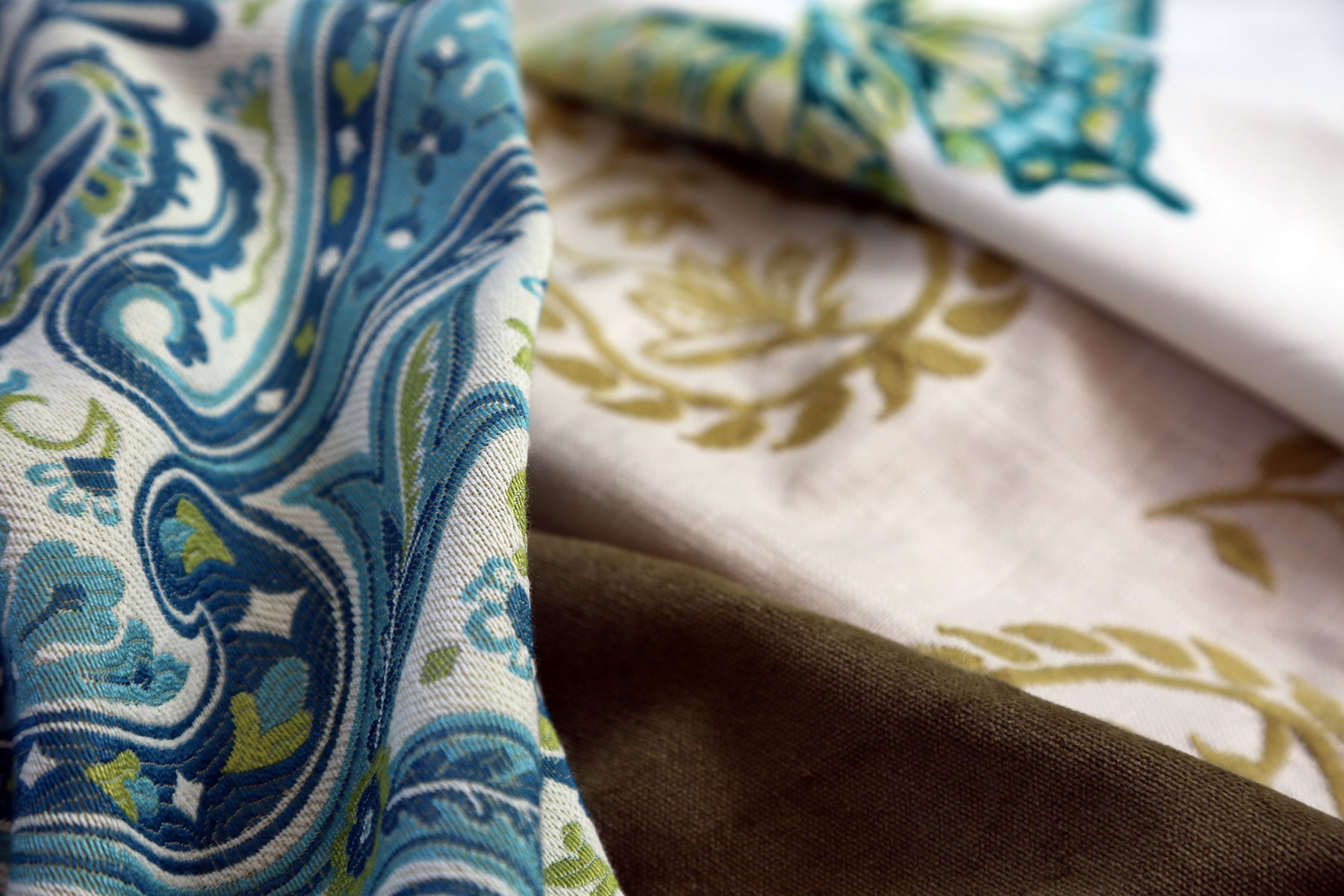
One of the defining features of Charlotte Fabric is its clean and uniform finish. It provides a smooth appearance without being overly glossy or rough, making it suitable for both contemporary and classic interiors.
Limitations of Traditional Fabrics
Traditional fabrics have served households and industries for years, but they come with certain drawbacks that affect long-term usability.
Maintenance Challenges
Fabrics such as cotton and linen often require frequent washing and careful handling to avoid shrinkage or fading. Wool may need special cleaning methods, which can increase maintenance costs over time.
Wear and Tear
Natural fabrics may lose strength with repeated use. Fraying, thinning, and discoloration are common issues, especially in high-use areas such as sofas, chairs, or curtains exposed to sunlight.
Limited Versatility
Many traditional fabrics perform well in specific conditions but struggle in others. For example, some materials are comfortable but lack durability, while others are durable but feel stiff or heavy.
Key Benefits of Charlotte Fabric
Charlotte Fabric addresses several of the challenges associated with traditional textiles, offering practical advantages without compromising comfort or appearance.
Improved Durability
Charlotte Fabric is designed to withstand regular use. Its fiber structure resists stretching, tearing, and surface damage, making it suitable for areas that experience daily wear.
Easy Care and Maintenance
Unlike fabrics that require special detergents or professional cleaning, Charlotte Fabric is generally easier to maintain. It resists stains better and retains its appearance even after repeated cleaning, which reduces long-term upkeep.
Comfortable Texture
Despite its strength, Charlotte Fabric remains comfortable to the touch. It avoids the stiffness sometimes associated with durable materials, making it appropriate for seating, drapery, and decorative uses.
Performance in Everyday Use
Practical performance is often the deciding factor when comparing fabric options. Charlotte Fabric is engineered to perform consistently across various settings.
Resistance to Fading
Exposure to sunlight can quickly affect traditional fabrics, causing uneven color loss. Charlotte Fabric is less prone to fading, which helps maintain its original appearance over time.
Shape Retention
Some fabrics lose structure with extended use, leading to sagging or distortion. Charlotte Fabric retains its form, making it ideal for upholstered furniture and structured décor items.
Adaptability Across Climates
Charlotte Fabric performs well in different temperature conditions. It does not trap excessive heat and remains comfortable in both warm and moderate climates.
Applications of Charlotte Fabric
The versatility of Charlotte Fabric makes it suitable for a wide range of uses.
Home Furnishings
Charlotte Fabric is commonly used for sofas, chairs, cushions, and curtains. Its durability ensures that these items maintain their appearance even with daily use.
Decorative Accents
Pillows, wall panels, and fabric accessories benefit from the fabric’s clean finish and color consistency. It complements various interior design styles without overpowering the space.
Light Apparel and Accessories
In some cases, Charlotte Fabric is also used for lightweight clothing items or bags where durability and comfort are both important.
Comparing Value Over Time
When evaluating fabric choices, long-term value matters more than initial cost.
Cost Efficiency
Although Charlotte Fabric may appear similar in price to certain traditional fabrics, its durability and low maintenance reduce replacement and repair expenses over time.
Consistent Appearance
Frequent fabric replacement often results from fading or wear. Charlotte Fabric’s ability to maintain its look contributes to better value and less frequent updates.
Making an Informed Fabric Choice
Understanding fabric performance helps buyers select materials that align with their needs. While traditional fabrics still have their place, modern requirements often demand materials that are easier to maintain and more durable.
When Charlotte Fabric Is the Right Choice
Charlotte Fabric is ideal for homes, offices, and spaces where fabrics are used daily. Its balance of strength, comfort, and appearance makes it a reliable option for long-term use.
Conclusion
Fabric selection influences comfort, maintenance, and durability over time. By addressing the common limitations of traditional materials, Charlotte Fabric offers a practical alternative that suits modern living. For those evaluating Why Choose Charlotte Fabric Over Traditional Fabrics?, the answer lies in its durability, ease of care, consistent appearance, and versatile applications. It is a fabric choice designed to meet everyday needs without unnecessary complexity.